

Are Class B Camper Vans Worth the Price?
Are Class B Camper Vans Worth the Price?
Class B camper vans are worth the price for buyers who value easy driving, better fuel economy, and year-round usability over maximum living space. They typically cost more per square foot than a travel trailer or Class C motorhome, but the tradeoff is a compact, car-like driving experience that many owners find worth the premium, especially for solo travelers, couples, or anyone who plans to use the van as a daily driver between trips.
Class B vans have grown into one of the most requested categories in the RV world, and at Zoomers RV we talk with buyers every week who are trying to decide if the higher price per square foot actually makes sense for how they plan to travel. Here's an honest breakdown of what you're paying for and who actually gets their money's worth.
What Is a Class B Camper Van?
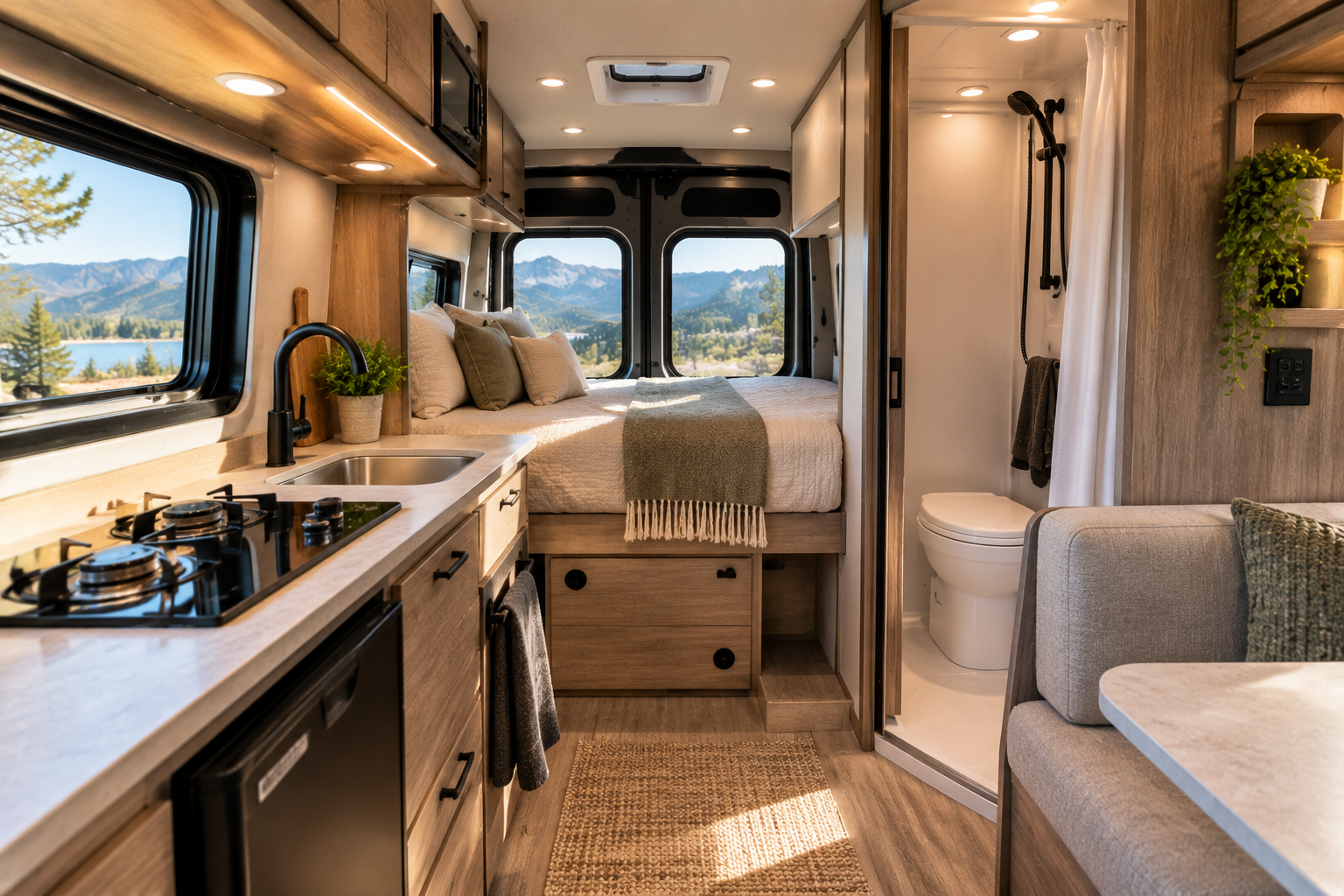
A Class B camper van is a motorhome built on a standard van chassis, such as a Mercedes Sprinter, Ford Transit, or RAM ProMaster, with the living quarters built directly into the original van body rather than a separate coach structure. This keeps the vehicle close to the size and drivability of a passenger van while still including a bed, small kitchen, and often a bathroom.
Because the living space is built inside the existing van shell instead of a custom fiberglass or aluminum coach, Class B vans are shorter, narrower, and lighter than Class A or Class C motorhomes. Most fall between 19 and 24 feet in length, which means they fit in a standard parking space or garage, something almost no other motorized RV can do.
The tradeoff for that compact size is less living space. Most Class B vans sleep two comfortably, occasionally three or four in models with a pop-top or rear lounge that converts to a bed. If you need to sleep a full family, a Class B usually isn't the right fit.
Why Do Class B Camper Vans Cost So Much for Their Size?
Class B vans cost more per square foot than larger RVs because manufacturers pack full living systems into a much smaller footprint, and the base van chassis itself is expensive before any conversion work begins. A Mercedes Sprinter or Ford Transit chassis alone costs significantly more than the chassis used under most Class C motorhomes, and that cost carries through to the finished price.
Several factors drive the price up:
The base chassis cost, especially for diesel Sprinter and Transit platforms, which run higher than gas-powered cutaway chassis used in Class C units
Custom cabinetry and space-efficient furniture designed to fit tight dimensions without wasting an inch
Compact appliances built specifically for van conversions, which often cost more than standard-sized RV appliances
Lithium battery systems and solar setups, which are common in Class B vans because many owners plan to camp off-grid without hookups
Skilled labor for converting a van interior, which takes more precision than building out a larger, more forgiving coach
When you compare the price of a Class B van to a much larger travel trailer, the price difference feels significant. But you're not just paying for square footage. You're paying for a fully self-contained, drivable vehicle with premium systems packed into a small space.
Is a Class B Van Worth It Compared to Other RV Types?
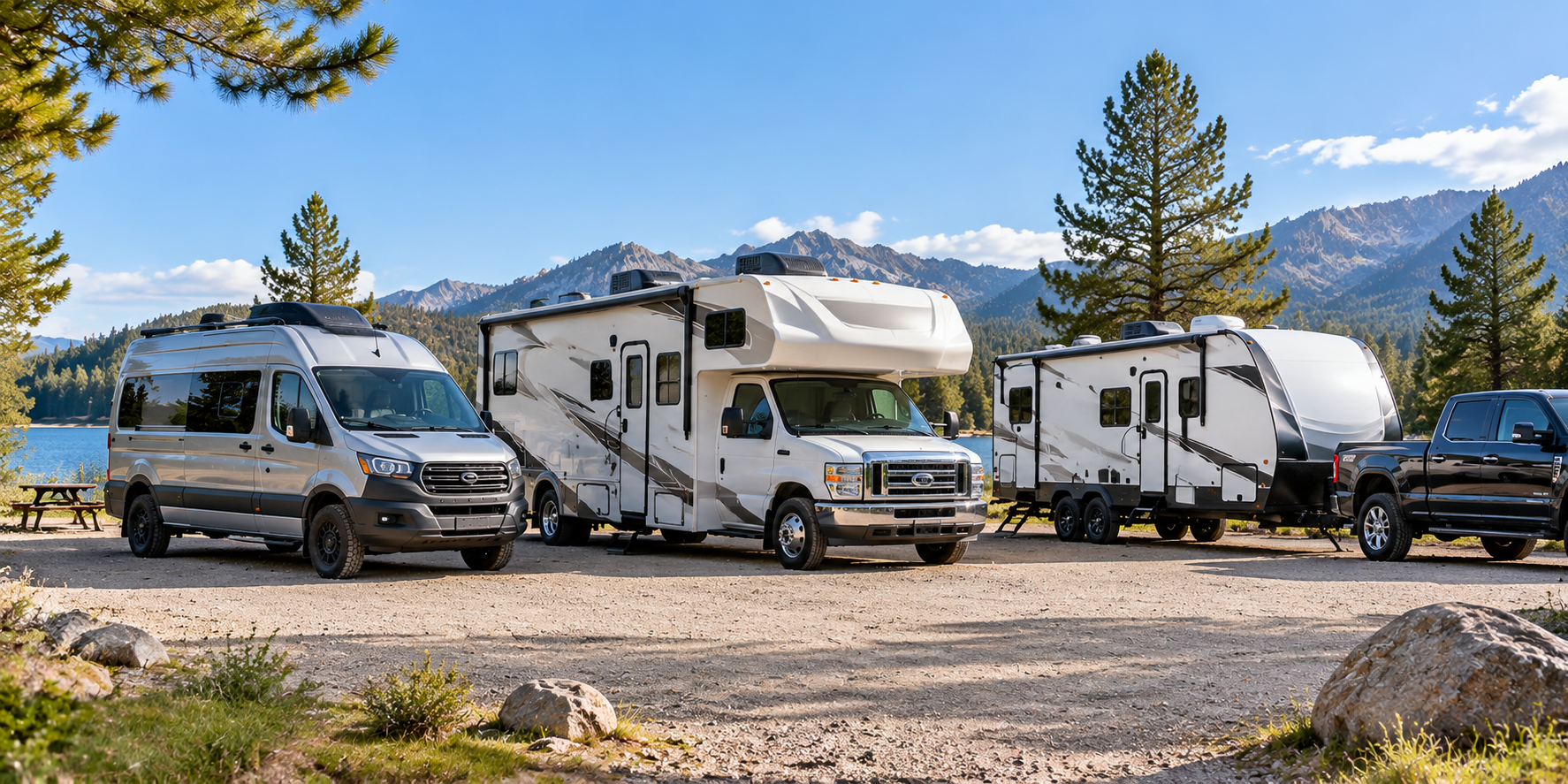
Whether a Class B van is worth it depends on how you plan to travel, how many people are typically along for the trip, and whether daily drivability matters to you. For solo travelers, couples, and anyone who wants an RV they can also use for regular errands or road trips, the answer is usually yes. For families or anyone needing more living and storage space, a travel trailer or Class C motorhome typically delivers more value per dollar.
How Does a Class B Compare to a Class C Motorhome?
A Class B van is smaller, easier to drive, and gets better fuel economy than a Class C motorhome, but a Class C typically offers significantly more living space, storage, and sleeping capacity for a lower price per square foot. Class C units are built on a cutaway van or truck chassis with a separate coach body, which allows for slide-outs, bunk beds, and larger bathrooms that simply don't fit in a Class B's dimensions.
Here's how the two compare in practical terms:
Class B vans handle like a large van, fit in standard parking spots, and average noticeably better fuel economy on the highway
Class C motorhomes sleep more people, include larger kitchens and bathrooms, and often cost less per square foot of living space
Class B vans suit frequent short trips and daily usability, while Class C units suit longer trips with more passengers and gear
How Does a Class B Compare to a Travel Trailer?
A travel trailer generally offers far more living space for the price than a Class B van, but it requires a separate tow vehicle and doesn't offer the same convenience of driving directly to your destination in one vehicle. If you already own a capable tow vehicle, a travel trailer is almost always the better value on a pure cost-per-square-foot basis.
The real question comes down to how you want to travel. A Class B van lets you park at a trailhead, drive into a national park, or navigate a city street without towing anything. A travel trailer gives you a larger, more comfortable living space once you arrive at a campsite, but you're managing a tow vehicle and trailer combination the whole way there.
What Should You Consider Before Buying a Class B Camper Van?
Before buying a Class B van, think through how many people will regularly travel with you, how much off-grid capability you actually need, and whether you're comfortable with a smaller bathroom and kitchen setup. These vans reward buyers who value simplicity and mobility over maximum comfort.
A practical checklist to work through:
Confirm the sleeping capacity matches how many people typically travel with you, not just on rare trips
Decide if you need a full wet bath, a cassette toilet, or no onboard bathroom at all, since this varies widely between models
Check the battery and solar setup if you plan to camp off-grid frequently, since some entry-level Class B vans have limited off-grid capability
Test drive the specific chassis, since Sprinter, Transit, and ProMaster platforms all handle differently and have different service networks
Compare fuel type, since diesel Sprinter-based vans often get better mileage but cost more upfront and to service than gas-powered platforms
If you're leaning toward a Class B van, it's worth browsing current Class B motorhomes to compare floor plans, chassis options, and bathroom configurations side by side. Some buyers also find good value in a pre-owned Class B, since these units tend to hold their layout and systems well when properly maintained.
What Are Common Mistakes Buyers Make With Class B Vans?
The most common mistakes are underestimating how small the living space actually feels day to day, skipping a real test drive of the specific chassis, and not budgeting for the higher cost of specialized service compared to more common RV chassis. These mistakes usually surface after a few trips, not during the initial purchase decision.
Specific issues we see often:
Buyers who need to sleep three or four people regularly choose a Class B built for two, then feel cramped on every trip
Skipping a walkthrough of the bathroom setup, then discovering a cassette toilet or wet bath isn't what they expected
Underestimating maintenance costs on Sprinter and diesel platforms, which often require specialized service compared to more common gas engines
Assuming solar and battery capacity will support full off-grid living without checking actual watt-hour capacity against real usage
Buying based on exterior size alone without measuring interior headroom, especially for taller drivers and passengers
Spending time inside a few different floor plans, ideally overnight if a dealership offers a demo unit, gives you a far better sense of whether the space will work than reading specs alone.
How Zoomers RV Helps You Decide if a Class B Van Is Right for You
Zoomers RV works with buyers across our service area who are weighing a Class B van against larger RV options, and our team walks through chassis differences, bathroom layouts, and off-grid capability so you can make an informed decision instead of guessing based on price alone. We can also compare a Class B van directly against a Class C motorhome or travel trailer if you're still deciding which category fits your travel style.
Our financing team can help structure a loan around the higher upfront cost of a Class B van, and our service department supports the specialized maintenance these vans need, from chassis service to onboard electrical systems. If you already own an RV and are considering downsizing to a Class B, our trade-in program can make that transition easier.
Shoppers near Wabash, Fort Wayne, and Kokomo in Indiana, along with buyers from Carbondale and Marion in Illinois and Creston and Osceola in Iowa, can visit one of our locations to sit inside a Class B van in person before deciding if it's the right fit.
Frequently Asked Questions
Do Class B camper vans hold their value well?
Class B vans generally hold their value better than larger motorhomes, partly because demand for compact, drivable RVs has stayed strong and partly because the van chassis itself has a long service life with proper maintenance. Resale value still depends heavily on condition, mileage, and how well the onboard systems were maintained.
Can you drive a Class B camper van every day?
Yes, many owners use their Class B van as a daily driver or regular road trip vehicle, since its size and handling are close to a standard cargo van. This dual-purpose use is one of the main reasons buyers choose a Class B over a larger, less practical motorhome.
How many people can sleep in a Class B camper van?
Most Class B vans comfortably sleep two people, with some models sleeping three or four using a pop-top bed, rear lounge conversion, or cab-over bunk. If you regularly travel with more than two people, it's worth checking the specific sleeping configuration before assuming a model will work for your group.
Is a diesel or gas Class B camper van better?
Diesel Sprinter-based vans typically offer better fuel economy and towing capability, while gas-powered Transit and ProMaster-based vans usually cost less upfront and are simpler to service at a wider range of shops. The right choice depends on how much you drive, your budget, and access to service centers familiar with your chosen chassis.
Do Class B vans have a bathroom and shower?
Many Class B vans include a wet bath with a toilet and shower combined into one small space, while some smaller or older models use a cassette toilet with no dedicated shower. Bathroom setups vary significantly between manufacturers and floor plans, so it's worth checking this specifically before buying.
What is the average price range for a Class B camper van?
Class B camper van prices typically range from the mid $100,000s for well-equipped new models to significantly less for used units, depending on chassis, mileage, and included systems like solar and lithium batteries. Pricing varies by manufacturer, chassis type, and how the van is equipped, so it's worth comparing specific models rather than relying on a single average figure.
Final Takeaway
A Class B camper van is worth the price if you value easy driving, daily usability, and a compact footprint over maximum living space, but it's not the most cost-effective choice if you need to sleep a full family or want the largest possible kitchen and bathroom. The higher price per square foot reflects a genuinely different type of RV, one built for mobility and simplicity rather than maximum space.
If you're weighing a Class B van against other RV types, the team at Zoomers RV can walk you through floor plans, chassis options, and financing side by side so you choose the option that actually fits how you travel. Contact us or stop by one of our locations to see our current Class B lineup in person.