
Travel Trailer vs Fifth Wheel: Which One Is Right for You?
Both travel trailers and fifth wheels get towed behind a vehicle, but that's where the similarity mostly ends. The hitch design, interior layout, towing vehicle requirements, and overall living experience differ enough that picking the wrong one can mean months of buyer's remorse.
The Core Difference: How They Connect to Your Vehicle
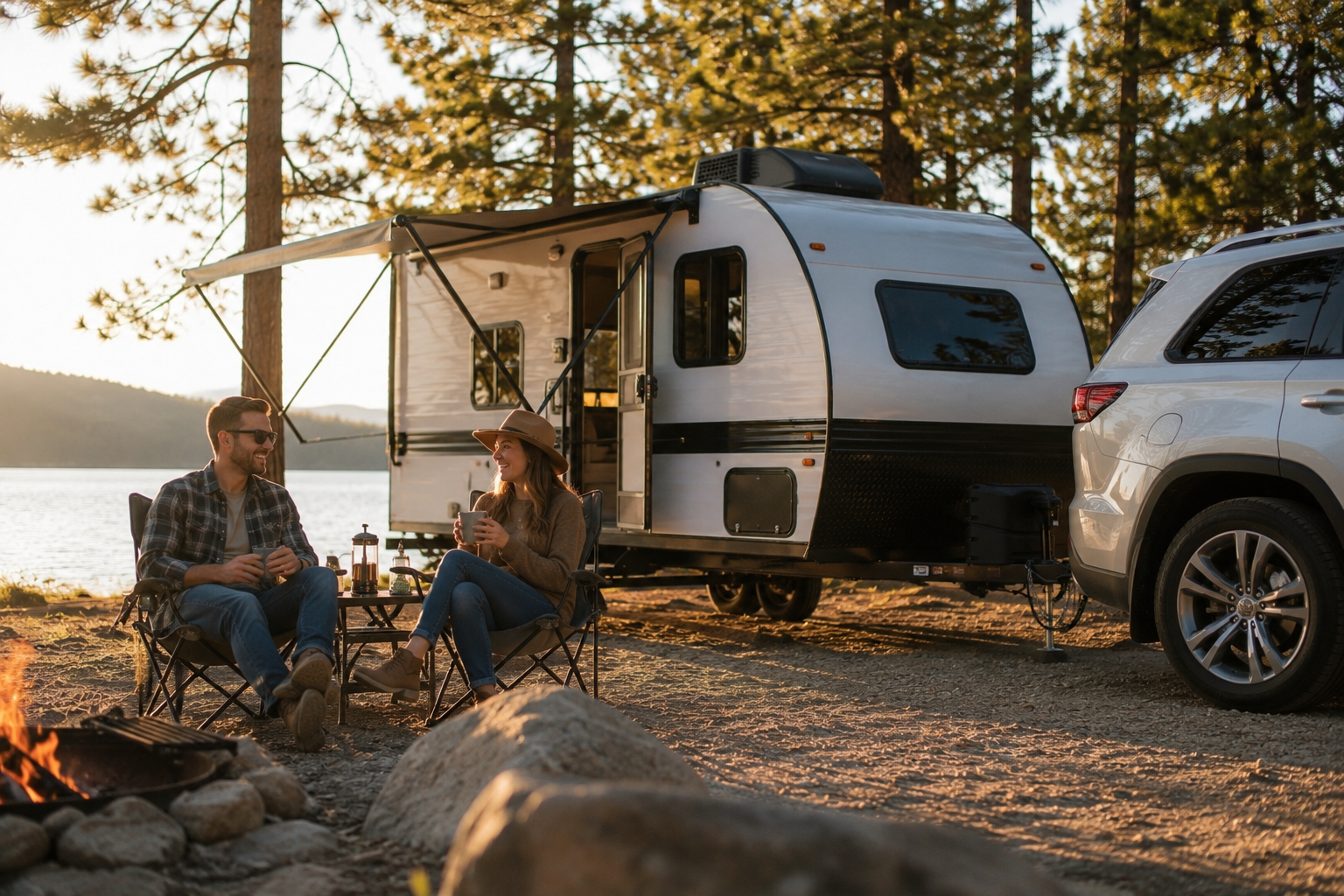
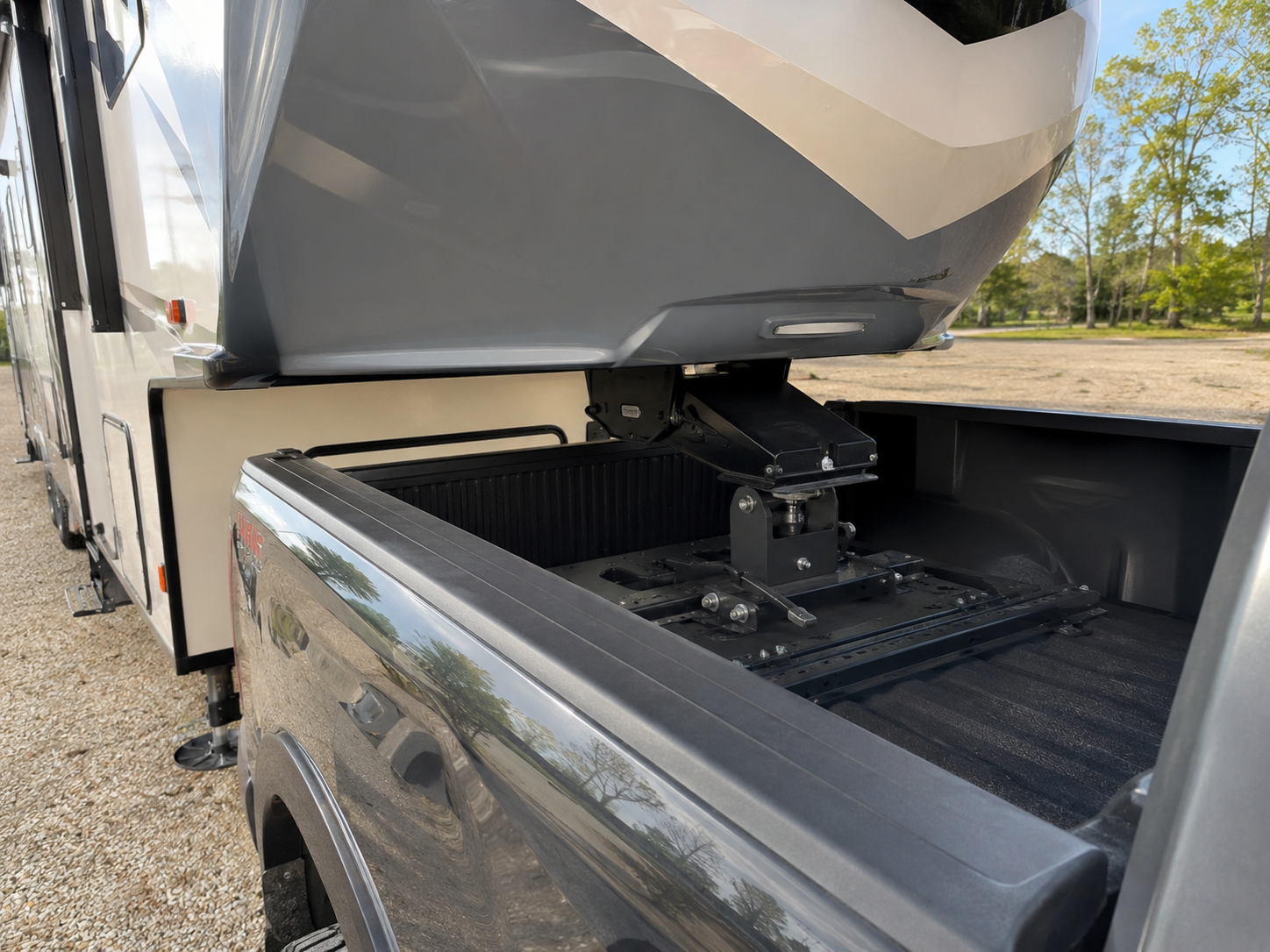
A travel trailer uses a standard ball-and-socket hitch mounted to your vehiFifth wheels cle's rear bumper or frame, which means SUVs, half-ton trucks, and even some minivans can tow smaller models. A fifth wheel connects through a specialized hitch mounted inside a pickup truck's bed, positioning the connection point over the rear axle rather than behind the vehicle entirely.
That difference in connection point changes everything about how each trailer tows. distribute weight more directly over the truck's axle, which generally produces less sway and a more stable, confident feel at highway speed, while travel trailers rely on the tow vehicle's rear bumper or frame hitch to manage that same weight further back.
Towing Vehicle Requirements
Featured Snippet Answer: Travel trailers can typically be towed by SUVs, half-ton trucks, and some minivans, while fifth wheels require a pickup truck with a bed-mounted hitch and generally a heavier-duty tow rating due to their size and weight.
Travel trailers — wider range of compatible tow vehicles, including SUVs and smaller trucks for lighter models
Fifth wheels — require a pickup truck (often three-quarter-ton or larger for bigger models) with a specialized in-bed hitch
Weight distribution — fifth wheel hitch weight compares against your truck's payload capacity, while travel trailer tongue weight compares against your hitch's rated tongue capacity
Turning radius — fifth wheels generally turn tighter and track more predictably because the pivot point sits over the axle
Space and Layout Differences
Fifth wheels use a bi-level design, with the front section raised over the truck bed to create a distinct upper bedroom or loft area connected by a few steps down to the main living space. This split-level layout often produces higher ceilings, larger bunk rooms, and a more residential feel than a single-level travel trailer can achieve in a similar length.
Travel trailers keep everything on one level, which some owners actually prefer for easier movement, especially for households with mobility concerns or small children who might struggle with interior steps. Single-level layouts also tend to feel more open in shorter floorplans, since there's no raised platform eating into ceiling height.
Comparing Cost, Weight, and Storage
FactorTravel Trailer Fifth WheelTypical price rangeGenerally lower for comparable sizeGenerally higher due to construction and featuresDry weightLighter, more towing optionsHeavier, requires pickup truckInterior heightSingle level, standard ceilingBi-level, often taller in front sectionStorage capacityModerate, varies by modelLarger "basement" storage commonWater and holding tank sizeSmaller on averageLarger, better for extended staysSetup and teardownGenerally quickerSlightly more involved due to hitch type
Which One Fits Your Travel Style
If you're taking frequent short weekend trips, unhitching often to explore in your tow vehicle, a travel trailer's lighter weight and simpler hitch setup usually wins on convenience. If you're planning extended stays, full-time living, or long cross-country trips, a fifth wheel's larger tank capacities, storage space, and smoother towing tend to matter more the longer you're out.
Families with young kids sometimes lean toward single-level travel trailers to avoid interior steps, while families needing separate sleeping zones for kids, parents, and guests often find a fifth wheel's split-level design creates better privacy. Budget plays a real role too, since fifth wheels generally cost more to buy and require a capable pickup truck you may not already own.
Questions to Ask Yourself Before Deciding
Do I already own a pickup truck rated to tow a fifth wheel, or would I need to buy one?
How often will I actually unhitch and drive around without the trailer attached?
Am I comfortable with interior steps, or does everyone in my household need single-level access?
How long are my typical trips, and do I need larger water and holding tank capacity?
What's my realistic budget once I factor in the trailer, hitch hardware, and tow vehicle if needed?
Real-World Example
A couple planning weekend getaways with an SUV they already own will almost always find more workable options in the travel trailer category, since it matches their existing tow vehicle without an added truck purchase. A family of five planning three-month summer trips, on the other hand, often finds a fifth wheel's extra bedroom, larger tanks, and residential-style kitchen justify both the truck investment and the higher price tag.
Neither trailer type is objectively better—the right choice comes down to matching the trailer's towing requirements, layout, and capacity to how you actually plan to use it, not which one looks more impressive on the lot.